With the onset of Fall and Winter comes a wave of depression called Seasonal Affective Disorder (SAD). This is a type of depression that changes with the seasons, often peaking in the winter months. Luckily, there are multiple treatments for this seasonal sadness, one of which is Transcranial Magnetic Stimulation (TMS). Unlike other depression treatments, TMS is non-invasive, meaning it doesn’t break the skin. Also, TMS has very low side effects, especially compared to other treatments, making it the perfect alternative to more common treatments such as medication.
In this article, we will explore a few common questions related to Seasonal Affective Disorder and TMS including:
- What is Seasonal Affective Disorder, How Can We Identify it, and What Sort of Symptoms Does it Cause?
- How Can the Changing of Seasons Produce Depression?
- How Can TMS Help Stave off Seasonal Affective Disorder?
- What Other Ways Can We Treat Seasonal Affective Disorder?
What is Seasonal Affective Disorder?
Aptly given the abbreviation “SAD,” Seasonal Affective Disorder is a form of depression that is related with the changing of seasons. Most commonly, people with SAD begin feeling symptoms in Autumn all the way through Winter. Typically, the symptoms mirror depression, making the person feel a distinct lack of motivation, energy, and positivity. For most, these symptoms begin to fade in the Spring and early Summer.
Many people who struggle with SAD may not even know that it is indeed classified as a disorder. Despite noticing a significant change in mood and temperament, many people with SAD blame their life circumstances or even themselves. This is why it is important to understand SAD, and how we can combat its symptoms.
But how do I know if I have SAD?
It’s completely normal to have ups and downs in life, but when do we know if it’s just a couple bad days or actually SAD? A Doctor’s diagnosis is always the best way to have certainty on whether or not your depression really is due to the changing of seasons. However, having a comprehensive understanding of the symptoms can give us a better picture of our mental health challenges.
The range of SAD symptoms include1:
- Feeling sad, or aimless most of the day, almost every day
- Feeling sluggish or lacking energy
- Oversleeping
- Overeating
- Lack of concentration or focus
- Hopelessness
- Suicidal thoughts (If you are experiencing this, please tell a Doctor immediately)
There are a couple symptoms that are specifically associated with Fall & Winter, and others with Spring & Summer:
Fall & Winter Symptoms
- Appetite changes, overeating, high carbohydrate cravings
- Lack of motivation and energy
- Weight gain
Spring & Summer Symptoms
- Insomnia
- Easily irritable and agitated
- Anxiety
- Weight loss and lack of appetite
If you or a loved one are experiencing these symptoms, we urge you to visit American TMS Clinics and meet with our Psychiatrist to get an evaluation and begin TMS Treatment as soon as possible!
How Can the Changing of Seasons Cause Depression?
While Seasonal Affective Disorder is not 100% understood quite yet, researchers believe it is caused by a couple different factors. Usually, SAD is observed in people who have already struggled with Major Depressive Disorder (MDD) in the past2. Therefore, SAD can often be a cyclical expression of Major Depressive episodes2. But a key question remains, what makes the cycle of depression sync up with the changing of the seasons specifically? A few of the most compelling reasons are the following1:
- Circadian Rhythms: Circadian Rhythm is like your internal clock, which determines when you wake up and when you get tired. The changing of daylight cycles, specifically getting less sunlight and less vitamin D release in the Winter months, can mess up your circadian rhythm.
- Melatonin Levels: The change in daylight can lead to a dysregulated release of melatonin, which in turn messes up the sleep cycle. Having poor sleep often can exacerbate depressive symptoms.
- Serotonin Levels: Serotonin is a brain chemical that is associated with mood often drops when exposed to less sunlight.
So how can TMS help combat SAD?
Research suggests that TMS is highly effective in treating SAD because it is a form of depression. TMS is FDA approved in the treatment of Major Depressive Disorder, is considered a Front-Line treatment for depression after trying at least one antidepressant, and has a very high rate of remission2. It is often more effective than medication, although it is commonly used in conjunction with medication.
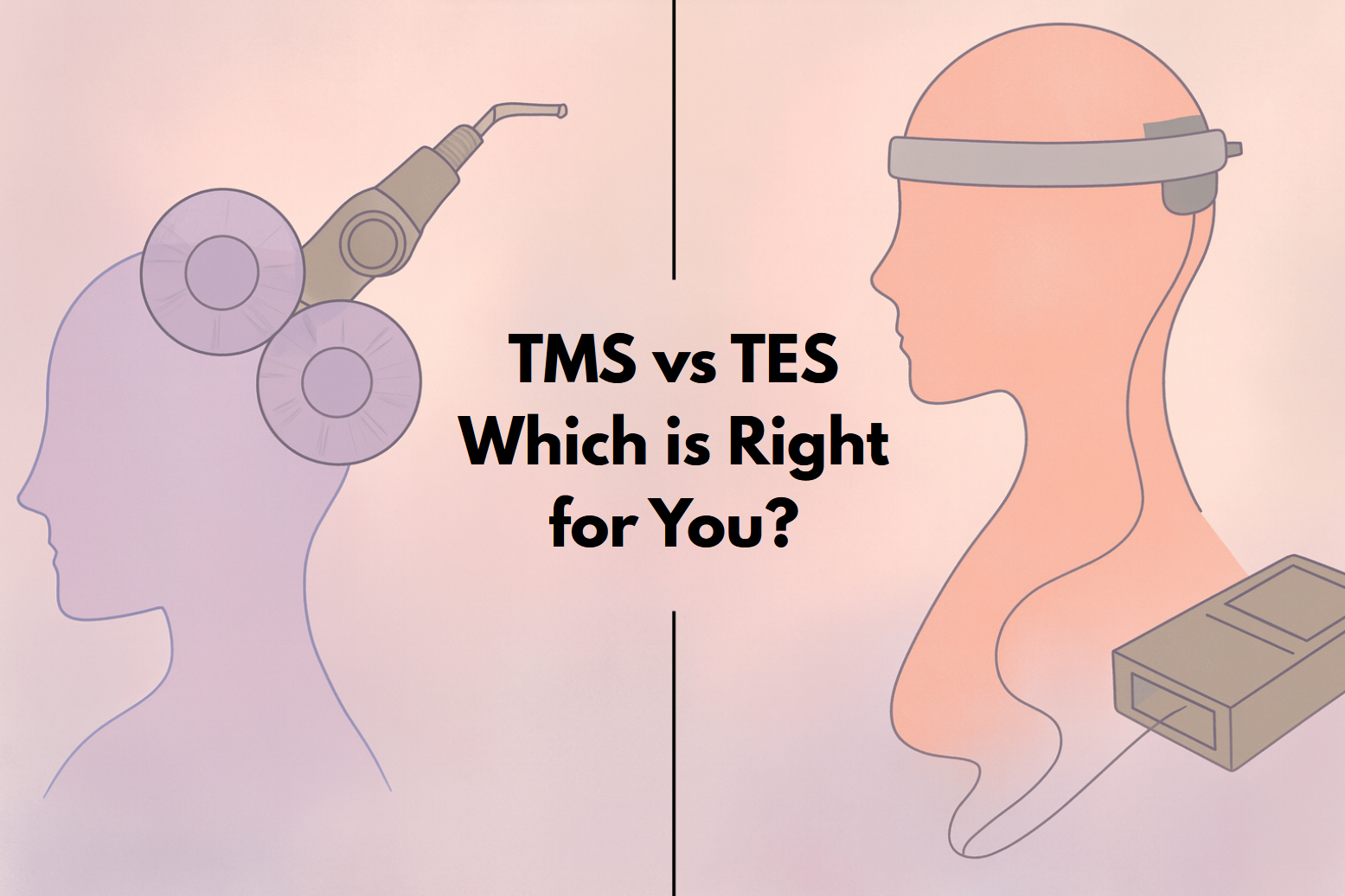
By inserting different frequencies of electromagnetic pulses into the areas of the brain that cause depression, TMS helps wake up those areas and get them back into rhythm with the rest of the brain. While this may sound intimidating, there is nothing to worry about. TMS therapy feels like someone lightly tapping on your head. For most people, the worst side effect they may feel is an occasional light headache after treatment.
By the same mechanism, TMS has high rates of remission in those who experience cyclical depression such as SAD2. A key factor in having success in treating SAD with TMS is getting ahead of the curve, if you know it is coming.
What are other ways I can combat SAD in addition to TMS?
Other key ways to prevent or combat SAD revolve around some of the mechanisms by which SAD occurs, as previously mentioned. Some of these methods include the following:
- Sunlight Exposure: It is most important to regulate your internal clock to make sure you are getting enough sleep. The best way to do this is to make a habit of viewing sunlight in the morning, being in the sun during the day, and watching the sunset. The wavelengths of light received by your eyes during these times tells your brain to get tired at the right time.
- Limiting Blue Light Exposure: Blue light is a wavelength of light that prevents the release of melatonin in the brain. Melatonin is the brain chemical that makes you sleepy. The best way to limit Blue Light Exposure is to stay off of screens at least one hour before bed.
- Cardiovascular Exercise: Countless studies have shown that light cardio exercise, such as walking, jogging, or running, is as effective as antidepressants in treating depression by naturally releasing Serotonin in the brain. The best way to ensure you get the natural Serotonin release that you need is to do at least 100 minutes of cardio per week.
If you make sure to do all of these things in addition to TMS therapy, you have a drastically higher chance of fighting off the seasonal blues!
In conclusion…
With the Fall and Winter months approaching, rates of Seasonal Affective Disorder will inevitably rise. In addition to medication and healthy habits, TMS treatment has a very high rate of success in those who struggle with Depression.
If you or a loved one struggles with this cyclical form of Depression, we urge you to come into American TMS Clinics to talk to us about your options for TMS treatment to get ahead of the seasonal curve!
References:
- Mayo Clinic. (2021, December 14). Seasonal Affective Disorder (SAD) – Symptoms and Causes. Mayo Clinic; Mayo Clinic. https://www.mayoclinic.org/diseases-conditions/seasonal-affective-disorder/symptoms-causes/syc-20364651
- Ng, E., Nestor, S. M., Rabin, J. S., Hamani, C., Lipsman, N., & Giacobbe, P. (2023). Seasonal pattern and depression outcomes from repetitive transcranial magnetic stimulation. Psychiatry Research, 329, 115525. https://doi.org/10.1016/j.psychres.2023.115525